Multiple Games at Once: Can Dividing Attention Make Spending Harder to Follow?

Multiple Games at Once: Can Divided Attention Make Spending Harder to Track?
Introduction
With one game on, it’s easy to focus on the score, the clock and the next big moment. Add two more matches, a live score feed and changing odds, and watching sport can start to feel like managing a stream of interruptions.
That shift matters when money is involved. A wager during a quiet spell in one match may feel separate from another placed during a burst of action elsewhere. Each decision is visible, but the combined cost can be harder to keep in mind.
Watching several games doesn’t automatically lead to overspending. The question is whether divided attention makes it harder to track the pace, purpose and total cost of decisions as they happen.
Analysis: the players in the spending loop
The viewer is at the centre of this loop. Following several games means switching between competing stories: a promising attack, a late score change, a pause in play or an unexpected result. Each calls for attention and may make a betting decision seem relevant.
The issue is more than distraction; it’s fragmentation. When attention keeps shifting, a person may remember the latest stake better than the choices that came before it. The running total can become abstract, while each new wager feels like a small, separate action.
Games also have different rhythms. One may be slow and tactical; another may bring frequent changes in score or momentum. Switching between them can make a quiet spell feel like a chance to check another market, while a dramatic moment may prompt a quick response before earlier choices have been reviewed.
Following a match is not the same as following a wager. A fan may switch games to keep up; a bettor may do so because an opportunity seems to be changing. When the two motives overlap, it can be hard to tell whether a decision comes from interest in the sport, new information or simply a desire to stay involved.
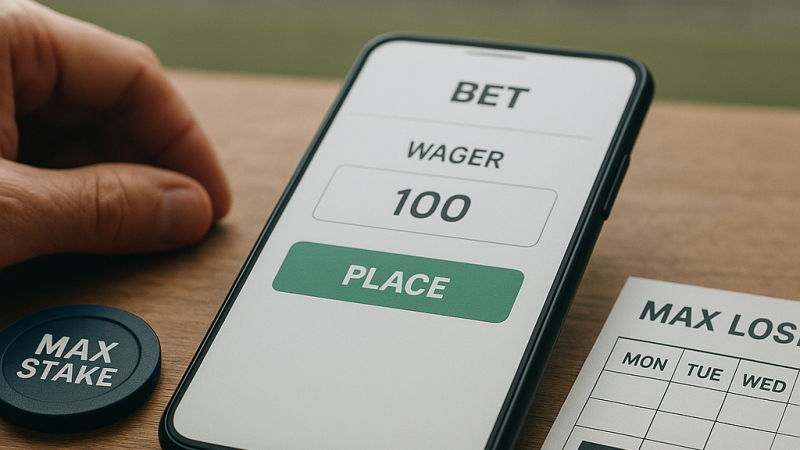
Multitasking doesn’t mean viewers lose control. People can set limits, keep records and choose not to bet. But frequent shifts in attention make those safeguards more important. Memory alone is a poor ledger when several events are competing for it.
Key factors
Decision frequency. Multiple games create more moments that may seem worth acting on, even if a person’s ability to assess each one carefully hasn’t increased. A string of small stakes can be harder to evaluate than one clearly defined outlay, since each choice comes with its own immediate reason.
Context switching. Moving between matches means catching up on the score, time remaining, likely course of play and why a wager seemed appealing. If a decision comes before that picture is clear, the viewer may be reacting to one piece of information rather than the full situation.
The feeling of a reset. A new match can feel like a fresh start, separating the next wager from earlier spending. But the money still comes from the same budget. The screen or event has changed; the total hasn’t.
Small amounts, large totals. Repeated low-value wagers may not prompt the same caution as one larger stake. Their combined cost may become clear only when the person adds them up—often after the games have ended, rather than during the session.
Visible action, less visible cost. Scores, clocks and odds update on screen, but cumulative spending may not stay as prominent in the viewer’s mind. Without checking the cost alongside the action, someone can keep close track of the games while losing sight of their financial position.
These are possibilities, not universal outcomes. Some viewers become more cautious when following several events, because no single game dominates their attention. Others set a written limit and stop when they reach it. What matters is not the number of screens, but whether spending is tracked separately from the excitement and pace of the matches.
Scenario: a night across three games
Imagine a viewer following three games at once. Before they start, the viewer sets a fixed spending limit. During the first match, a quiet spell prompts a small wager. A score change in the second draws attention to another market, and a late passage in the third makes a further bet feel urgent.
Each choice may seem reasonable on its own: the first is small, the second follows new information, and the third responds to a moment that may not last. But the decisions span separate contexts, and the original budget can slip from view unless the viewer checks it.
There’s another way to handle the same evening. The viewer records each stake, checks the remaining limit before betting and treats all three games as one session. The matches still compete for attention, but the spending doesn’t have to follow them from screen to screen.
The difference isn’t between a disciplined person and an undisciplined one. It’s between a setup that keeps the total in view and one that leaves the viewer to piece it together from memory. In the first, a pause can break the chain of decisions; in the second, momentum may carry it on.
Conclusion
Following several games doesn’t inevitably make spending harder to control. But it can make spending harder to track by breaking a session into decisions that feel separate, immediate and modest.
The practical lesson is to keep the financial picture steadier than the sporting one. A clear limit, a running record and a pause before placing another wager can keep the total in view as attention moves between games. The screen may be crowded; the accounting needn’t be.