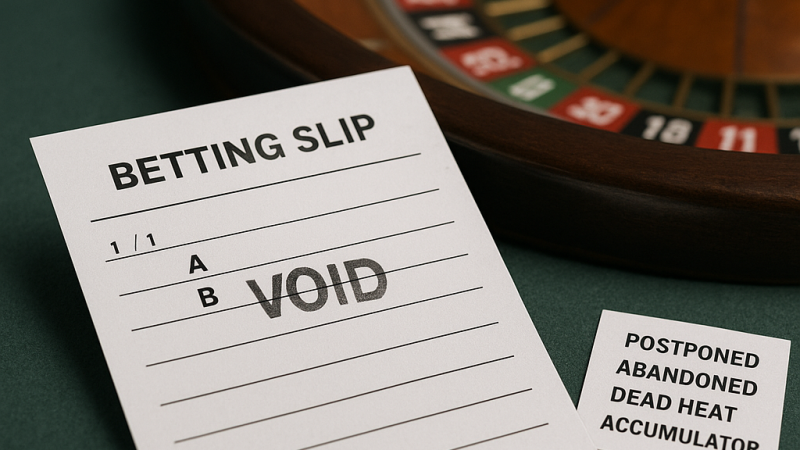
Rajbet Game Limits: Maximum Stake vs Maximum Loss
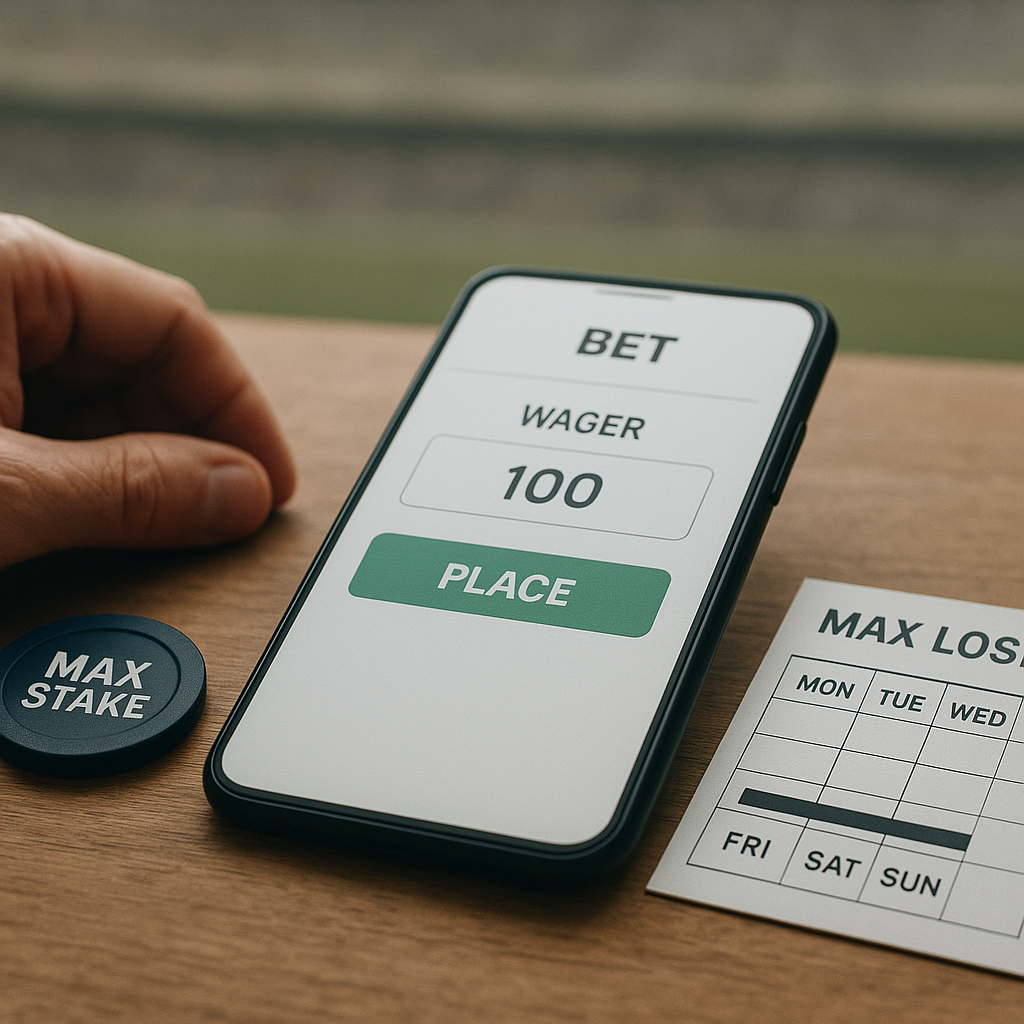
Rajbet Game Limits: When Does a Maximum Stake Differ from a Maximum Loss?
Introduction
A maximum stake and a maximum loss may sound like two versions of the same restriction, but they work differently. A maximum stake usually limits the amount placed on a single bet. A maximum-loss limit is intended to cap losses across a set period, account or group of wagers.
The difference matters when a bettor places several wagers in quick succession. A low stake cap can still allow a substantial cumulative loss. A loss limit, by contrast, may prevent further betting once a threshold is reached, even if every individual wager is within the stake limit.
In November 2026, Goal.com India published a Rajabets sports-betting review. This provides context for discussing game limits, but it does not confirm the terms or mechanics of any specific Rajbet limit. Those details should not be inferred from a review headline or the wording of a limit alone.
Analysis: two different measures of risk
A maximum stake sets a ceiling for each transaction. If the limit is 50 units per bet, a bettor cannot place 60 units on one selection under that rule. The limit may apply to a market, event, account or product; its scope depends on the terms.
This ceiling does not necessarily limit total exposure. A bettor could place four separate 50-unit wagers, subject to the platform’s rules, putting 200 units at risk. If all four lose, the total loss could be much higher than the single-bet limit suggests.
A maximum-loss limit measures outcomes over time or across multiple wagers. For example, a rule might cap net losses during a session or day. Once the threshold is reached, the system may block further wagers. The exact response depends on the terms.
The meaning of “loss” also needs to be clear. It could refer to money lost on settled bets, a net amount after winnings or another calculation. Unsettled wagers may be excluded, and void bets, cash-outs or free bets may be treated differently. Without these definitions, the limit is incomplete.
A stake limit is also different from a payout limit. The former controls how much can be risked; the latter controls how much can be won or credited. Neither is a maximum-loss cap. Similar labels can describe different controls, so bettors need to know which one applies.
Key factors
First, identify the scope. Does the cap apply per bet, market, event or account? A maximum stake without a clearly stated scope can be misunderstood. Two wagers on different markets in the same match might count separately or fall under a shared limit.
Second, check the time window. A daily loss limit is not the same as a session limit. A session might be defined by a login, a set number of hours or a period determined by the system. The reset time matters: a limit that resets at a fixed time may not follow the bettor’s local day.
Third, find out whether the calculation is gross or net. Suppose a bettor loses 100 units, wins 30 on another settled wager, then loses 50. A net-loss calculation might show a loss of 120 units. A gross-loss calculation could count the losing stakes differently. The term “maximum loss” does not explain which method applies.
Fourth, check how open bets are treated. A live wager may still be unresolved when the loss threshold is assessed. If only settled results count, the displayed loss may not reflect the bettor’s full exposure. If potential losses on open bets are included, the limit may take effect sooner. The terms should explain how unsettled wagers are handled.
Finally, distinguish user-selected controls from operator limits. A platform-imposed maximum stake may restrict each transaction. A loss limit could be selected by the user or enforced under a separate rule. Both can apply, but one does not automatically replace the other.
Match scenario
Consider a hypothetical live match, with no reference to any specific team or competition. A bettor places 40 units on one market, then another 40 on a different in-play outcome. If the maximum stake is 50 units per bet, both wagers comply. But the stake limit has not capped the combined 80 units at risk.
Now suppose the bettor has a session loss limit of 100 units. If both wagers lose, they may use 80 units of that allowance, assuming the rules count losses this way. Another losing wager of 30 units would take the session past the threshold. The system might block it or require another action, depending on when the limit is calculated and whether it covers settled or potential losses.
The same match could produce a different result if the first wager wins. A net-loss limit may then leave more room for later losses than a gross-loss rule. And if the second wager is still live, the settled loss may understate the bettor’s exposure until the event is decided.
In-play betting makes the distinction especially clear. Markets appear and settle quickly, prompting a series of decisions. A per-bet ceiling limits the size of each wager; a clearly defined and enforced cumulative loss limit addresses the combined result.
Conclusion
A maximum stake answers a narrow question: how much can be risked on one wager? A maximum-loss limit asks how much can be lost across a specified period or set of bets. They serve different purposes and can lead to very different outcomes.
The key details are the limit’s scope, time window, treatment of unsettled bets and definition of “loss.” The November 2026 Goal.com India review provides context about Rajabets, but it does not confirm any specific limit or how it works. The terms, not similar-sounding labels, define the actual boundary of risk.