
Beyond the Classroom: The College Services That Build Better Teams
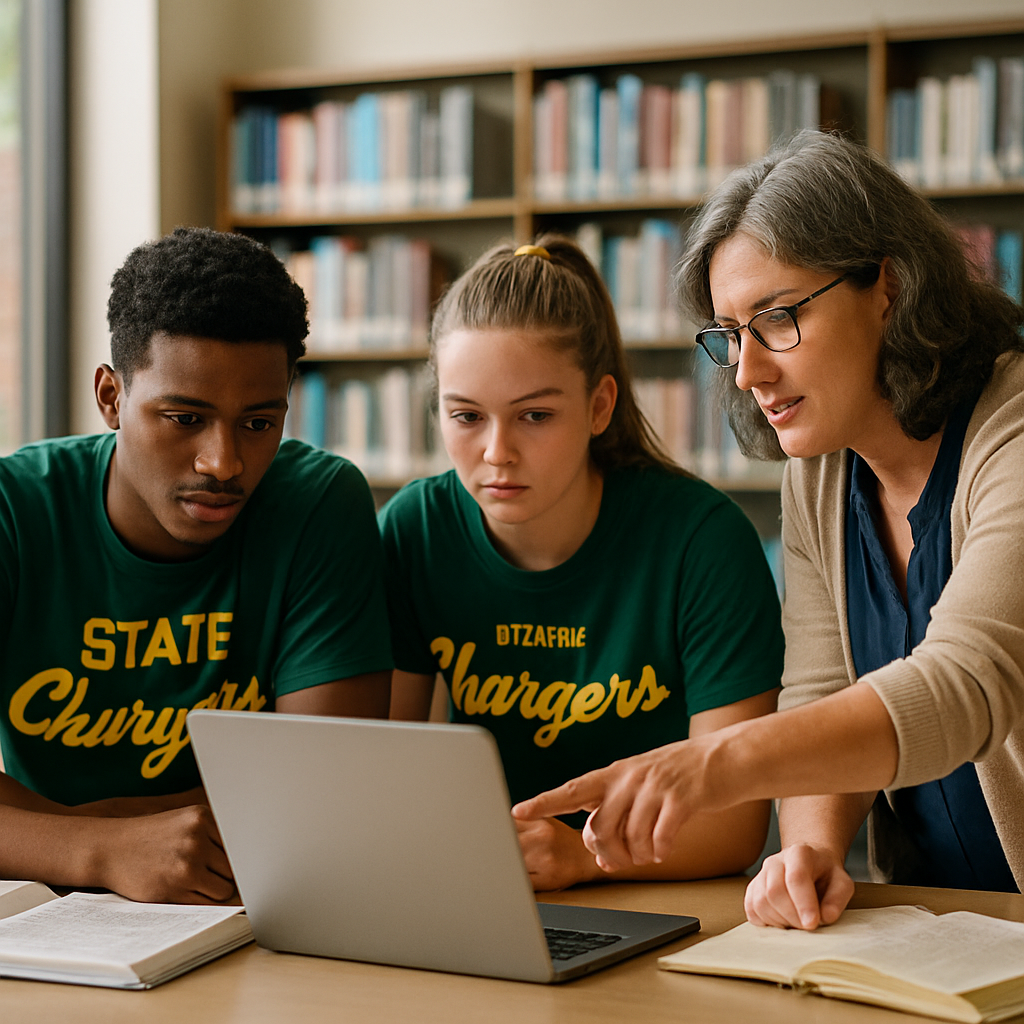
Making the Most of College Library and Extension Services Beyond the Classroom
Introduction
Athletic success is about more than the score. A season also depends on the work between games: managing time, learning new skills and preparing for life after the final whistle.
The library and the college’s community services support that broader development. For student-athletes, library services aren’t a distraction from sport. College library services can help build habits that matter both on and off the field: preparation, critical thinking and finding reliable information under pressure.
Analysis of teams and players
Columbia State fields five NJCAA Division I teams: baseball, men’s basketball, softball, women’s basketball and women’s soccer. The Chargers compete in different sports, but their athletes share the challenge of balancing demanding schedules with academic work.
A baseball player’s routine may differ from a soccer player’s, but both need to make decisions beyond the playing surface. They must organize study time, assess information and communicate clearly. These skills come from practice, not talent alone.
Chargers have gone on to Division I programs, and some have been drafted by Major League Baseball clubs. These are significant milestones, but they also show how college can prepare students for opportunities beyond the next game.
Library resources can make that preparation more practical. Students can use them to research topics, compare sources and develop arguments. College library services can also offer student research support when students approach unfamiliar assignments. The goal isn’t simply to gather information, but to learn how to judge its reliability.
Key factors
The first factor is access. Practice, travel and competition can make it hard for student-athletes to study on campus during regular hours. Digital library resources available through college library services let them work with academic materials when their schedules allow.
Access is most useful when students know how to make the most of it. They need to find the right database, narrow a search and tell credible evidence from a confident-sounding claim. These skills extend beyond academics: the same care used to check a source can help when assessing a scouting report or training plan.
The Columbia State library services and research resources are a good starting point for exploring the support available. College library services can help students move beyond using the library only before a deadline and build a reliable approach to research.
The second factor is connection beyond campus. Extension programs and community outreach link learning to local needs. College library services can complement these efforts by helping students explore local issues and find useful background information. When available, these opportunities expose students to new perspectives and help them see education as more than a series of assignments.
This can be especially valuable for athletes, whose role often extends beyond competition. A team is part of a college and its community. Opportunities to learn and contribute outside sport help students build relationships and interests that can last through changes in season, team and career.
The third factor is continuity. Lifelong learning means continuing to ask questions and adapt as circumstances change. Students who use college library services, seek guidance and take part in extension programs develop habits they can carry into university, a profession or another path.
Match scenario
Imagine a busy week in the middle of the season. A player has practice, an upcoming road game and a research assignment due. It’s tempting to leave the work until there’s a spare moment, search quickly and rely on the first promising result. That may get the assignment submitted, but it does little to build understanding or confidence.
A better approach is to start early and divide the work into smaller tasks. The student identifies the research question, uses digital library access through college library services to find relevant material and asks for student research support if the search becomes too broad or the sources are hard to assess. A focused study session leaves time to review the evidence and strengthen the argument.
The week can also extend beyond the assignment. If a relevant extension program or community outreach opportunity is available, the student can connect classroom ideas with people and issues beyond campus. College library services may help students discover resources related to these experiences. This won’t guarantee better grades or results on the field, but it can bring academic learning and community experience together.
The benefits build over time. One library visit is unlikely to change a season, just as one training session rarely transforms a player. Consistent preparation, however, helps athletes manage competing demands and consider new options if their playing career takes an unexpected turn.
Conclusion
A college experience isn’t split into athletic and academic halves. For the Chargers, competing at the NJCAA Division I level goes hand in hand with developing as students and people. Moving on to Division I programs or being drafted by an MLB club are possible outcomes, but they don’t define the full value of a college education.
Library services, research support and extension opportunities help students make the most of their time in college. College library services provide access to information, build stronger research habits and connect students with the community. These benefits may not show up on a scoreboard, but they can last long after the season ends.
