The Illusion of Control: Why Rituals Cannot Command Chance
Introduction
A familiar pre-game routine can feel like a promise: wear the same socks, follow the same warm-up, pause before a serve or penalty, and perhaps the moment will go as planned. Sport makes this belief especially tempting. The pressure is immediate, the results are visible, and the margin between success and failure can seem impossibly small.
But a ritual’s psychological value doesn’t prove that it changes the odds. It may help an athlete settle, focus or prepare for the next action. It doesn’t show that the ritual can influence chance. Confusing the two turns a useful way to manage uncertainty into a superstition about controlling it.
This distinction matters beyond the dressing room. If a team wins after a player follows a particular routine, people may credit the routine for the result. If the team loses, they may blame the ritual instead. Both explanations make the story simpler than the evidence allows.
Analysis of teams and players
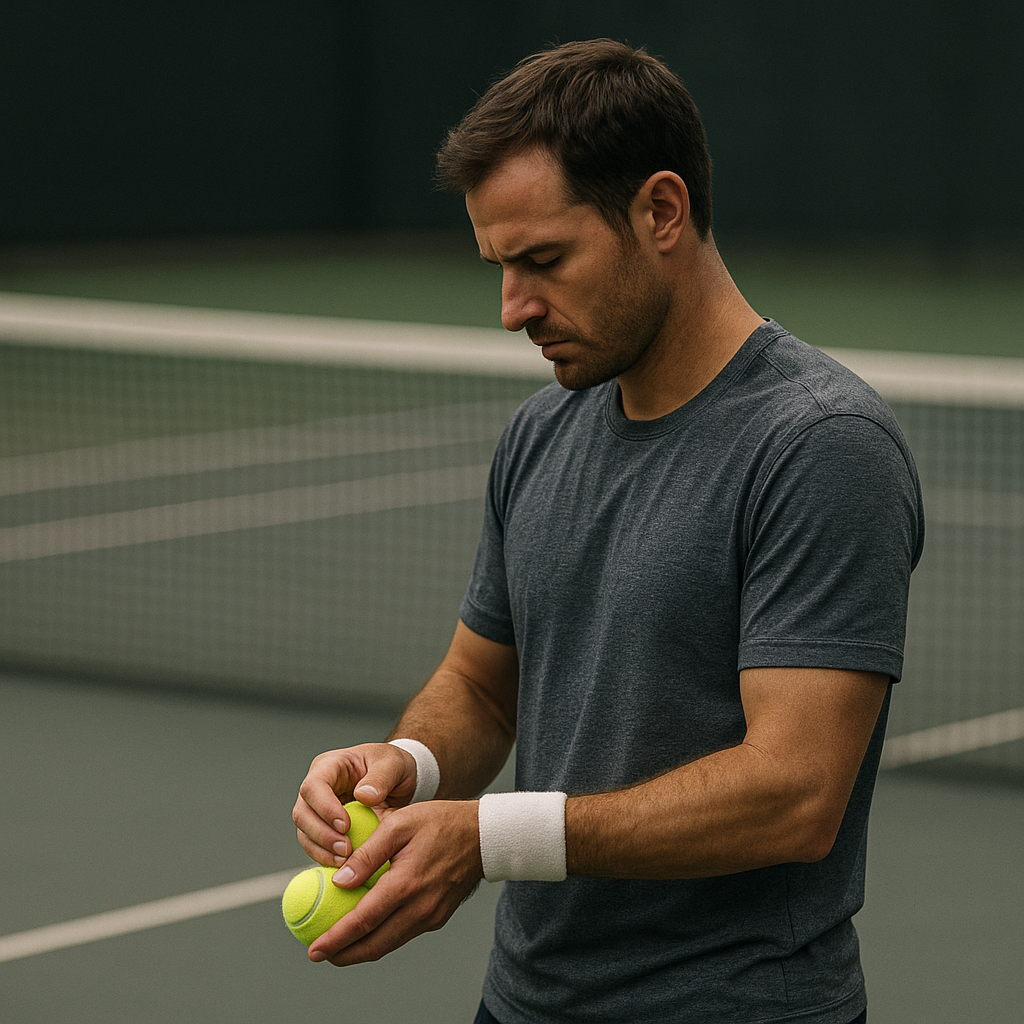
For an individual athlete, a ritual is best understood as part of preparation. A repeatable sequence can focus attention on immediate tasks: breathe, set the body, pick a target, begin. Under pressure, that structure may make the next action feel more manageable, even though the outcome is still uncertain.
A routine can support concentration without changing the chances of success on a given attempt. Feeling composed may help a player perform more consistently, but the ball can still take an unexpected bounce, an opponent can make a decisive play, and a well-struck shot can still miss.
For a team, rituals often serve as shared signals. A pre-game huddle or a familiar walk through the tunnel can express unity and help players shift into a competitive mindset. But a sense of cohesion isn’t a force that determines the match. A ceremony may shape how players experience the occasion; it can’t guarantee the result.
There’s also a difference between a routine and a superstition. A routine serves a practical purpose, such as preparing the body or focusing attention. A superstition assigns causal power to an action with no demonstrated link to the result. The line can blur when an athlete finds a helpful routine and starts to treat every detail as essential.
That shift can create problems. If the ritual is interrupted, the athlete may feel their performance is already at risk. A sequence that once brought calm can become another source of pressure. Instead of preparing for the contest, the player starts worrying about whether everything is in place.
Key factors
First, correlation isn’t causation. A team may win on days when it performs a particular ritual, but that doesn’t show the ritual caused the victory. The players may also have been better rested, better prepared or more effective at key moments. A sequence that accompanies success isn’t necessarily what produced it.
Second, people remember striking outcomes more readily than ordinary ones. A dramatic win after an athlete uses a lucky charm makes a compelling story. The many times the same charm made no difference are easier to forget. This selective memory can make a ritual seem more reliable than it is.
Third, sport combines skill with uncertainty. Preparation, decision-making and execution matter, but no athlete controls every factor in a contest. A ritual can’t remove uncertainty. At most, it may help a player respond with greater composure.
Finally, rituals can shape expectations. If an athlete believes a routine helps, it may feel reassuring. But reassurance doesn’t prove that the ritual has changed the odds. The practical question is whether the routine supports preparation without becoming something the athlete believes is essential for success.
Coaches should handle this distinction carefully. Dismissing every ritual as foolish overlooks the value of structure and psychological readiness. Treating rituals as a way to guarantee results is just as misleading. A better approach is to focus on what athletes can control—preparation, communication and decisions—while being honest about what they can’t.
Match scenario
Imagine a match decided by a late penalty. Before the kick, the taker follows a familiar routine: places the ball, steps back, breathes and focuses on a target. The shot goes in, and teammates later say the routine helped the player stay calm.
That explanation may reflect the player’s experience. The routine may have helped them focus. But we can’t know what would have happened without it, and a successful kick doesn’t prove the routine controlled the result. Technique, the goalkeeper’s response, the conditions and the uncertainty of a single attempt all played a part.
Now imagine the same routine followed by a miss. The ritual doesn’t stop being a form of preparation, and the miss doesn’t prove that the sequence was flawed or that the player got a step wrong. The result has changed; what the routine can tell us has not.
This is where analysis can move beyond an easy story. Instead of crediting or blaming a charm, it can look at what the athlete and opponent did, and which parts of the moment they could control. That account is less mystical, but more useful.
Conclusion
Personal rituals can have a place in sport without being treated as instruments of control. At their most useful, they give athletes a repeatable way to prepare, focus and handle pressure. That matters, but it doesn’t change the laws of probability.
Sport invites us to connect small actions with big results. A lucky shirt, a fixed sequence or a familiar gesture can make uncertainty feel less daunting. But preparation can influence performance; chance remains beyond anyone’s control.
Keeping those ideas separate helps both athletes and analysts. A routine can serve the person using it, rather than the person becoming bound by the routine. Wins and losses can then be understood as outcomes shaped by skill, decisions and uncertainty—not as proof that private rituals govern the contest.